All Categories
Featured
Maintaining Consistent Client Service Standards Throughou...
How to Communicate Office Relocation News to Your Clients

How to Communicate Office Relocation News to Your Clients
Table of Contents
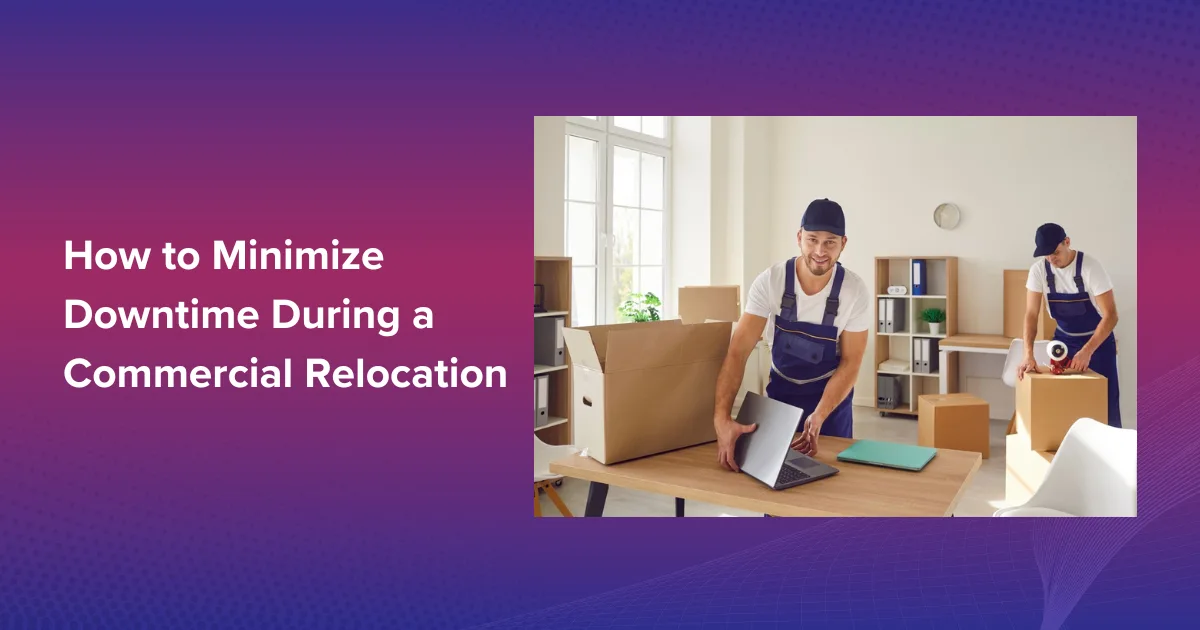
Navigating the 2026 Shift in Local Business Districts

Relocating a corporate headquarters or a satellite branch in 2026 involves more than just physically moving furniture from one part of the region to another. The current professional environment demands a sophisticated approach to managing the people who make the business function. When employees feel uncertain about their future workspace, productivity often dips months before the actual move date. Addressing these concerns early helps maintain steady output throughout the transition period.
The 2026 commercial sector prioritizes transparency and psychological safety during periods of change. Workers are no longer satisfied with a simple email announcement sent a few weeks prior to a move. Instead, they expect a clear roadmap that explains the logic behind the relocation and how it affects their daily routines. Whether the move is within the local area or across state lines, the core strategy remains the same: provide specific information as soon as it becomes available to prevent the rumor mill from disrupting operations.
Strategic Planning for Minimal Operational Impact
Downtime is the primary enemy of a successful office transition. In 2026, companies often schedule moves in phases to ensure that at least a portion of the staff remains active at all times. This "rolling relocation" model prevents a total shutdown of client services. By prioritizing Office Relocation, leadership teams can maintain a high level of service even while desks are being disassembled and servers are being migrated to new facilities.
Technology plays a central role in modern office moves. Most organizations in 2026 utilize digital twins—virtual replicas of the new workspace—to allow employees to explore their new environment before they step foot in the building. This helps staff visualize where they will sit, how they will access common areas, and where the nearest amenities are located. Reducing the "unknown" factors of a new office space significantly lowers the anxiety levels associated with a change in scenery.
The Human Element of Logistics in 2026
Managing expectations requires a two-way communication channel. Project managers often appoint "move champions" within different departments to gather feedback and distribute updates. These individuals act as a bridge between the executive planning committee and the frontline staff. If employees in the surrounding suburbs have specific concerns about commute times or parking availability, these champions ensure those questions are answered with concrete data rather than vague promises.
The adoption of Seamless Office Relocation Services ensures that teams remain aligned with the broader organizational goals during the upheaval. Leaders who acknowledge the temporary inconvenience of a move while highlighting the long-term benefits of the new space tend to see higher retention rates. In 2026, workers value employers who respect their time and provide the resources necessary to adjust to a new environment without unnecessary stress.
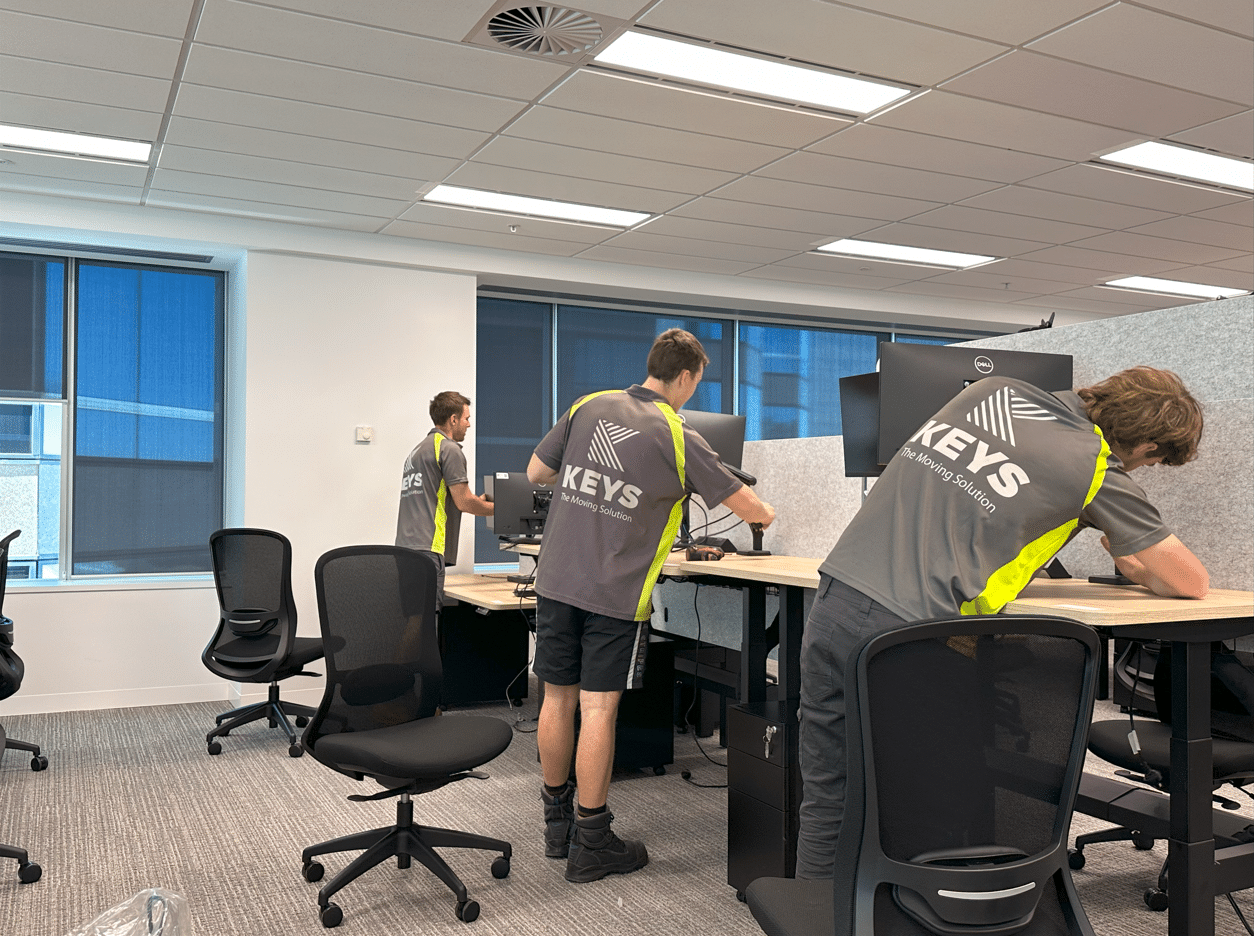
Proactive Steps for a Productive Day One
The first day in a new office is a critical moment for employee morale. If the Wi-Fi is spotty or the coffee machines aren't functional, the initial excitement of the new space can quickly turn into frustration. High-performing firms in 2026 treat "Day One" like a product launch. Every detail is checked by technical staff 48 hours in advance. Providing a small "welcome kit" at each desk—containing updated security badges, a map of the local area in the current territory, and instructions for new office tech—can make a significant difference in how the move is perceived.
IT support should be physically present and highly visible during the first week of the transition. Even with the best preparation, small technical glitches are inevitable. Having a dedicated team on-site to resolve printer issues or docking station malfunctions prevents these minor problems from snowballing into significant delays. This immediate support demonstrates that the company values employee time and is committed to a smooth experience.
Refining Hybrid Work Policies During Transitions
Many moves in 2026 are driven by a change in how often staff are expected to be physically present. If a relocation involves a move to a smaller, more centralized hub in a nearby urban center, it often coincides with a shift in remote work policies. Management must be explicit about these changes. If the new office uses "hot-desking" or unassigned seating, employees need to know this well in advance so they can adjust their habits and expectations.
Transparency regarding the physical layout is just as important as transparency regarding the rules of the space. In 2026, the trend is toward flexible environments that cater to both deep work and collaborative sessions. Explaining how the new regional office supports these different work styles helps employees feel more prepared for the shift. When people understand the "why" behind the design, they are much more likely to embrace the "how" of the new daily routine.
Effective management of an office move is a test of a company's organizational health. By focusing on clear communication, technical readiness, and employee well-being, businesses can move across the metropolitan area without losing momentum. The goal is to reach the new location not just with the equipment intact, but with the workforce engaged and ready to contribute to the next chapter of the business.

Latest Posts
Maintaining Consistent Client Service Standards Throughout Your Move
How to Communicate Office Relocation News to Your Clients